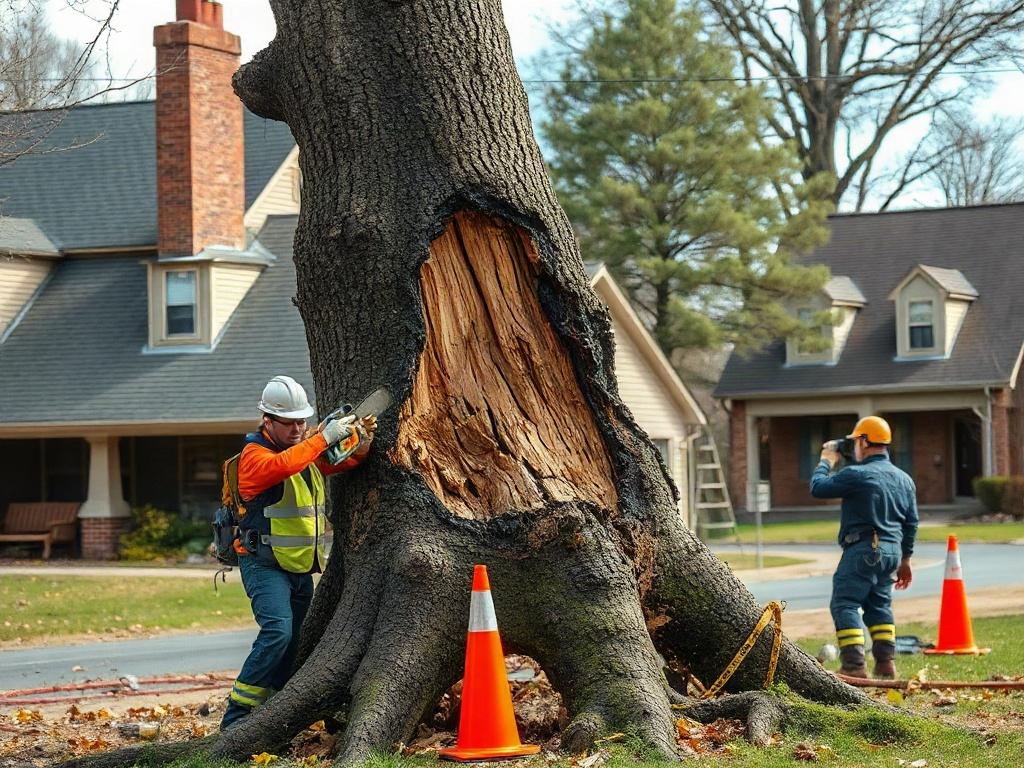
When a tree poses a hazard, becomes damaged, or encroaches too closely to your home, removing it is a critical decision for any property owner in Connecticut. Effective tree removal not only safeguards your home and yard but also enhances the overall aesthetic appeal of your landscape. However, selecting the right contractor is essential for ensuring a smooth and efficient process. A reputable tree removal team will prioritize safety, communicate clearly, and leave your property cleaner than they found it.
Before you search for tree removal services in Connecticut, it's vital to arm yourself with the knowledge you need to make informed choices. In this guide, we’ll explore 10 important things you should know before booking tree removal. From recognizing the signs that indicate a tree needs to be taken down to understanding the importance of permits and contractor qualifications, this comprehensive overview will help you navigate the often-complex tree removal landscape with confidence.
Understanding the essential signs that your tree needs removal
Recognizing the signs that a tree may need removal is crucial for maintaining the safety of your property and its surroundings. Look for prominent indicators such as large dead branches overhanging your roof, driveway, or walkway, as these pose a significant hazard. Additional red flags include deep cracks in the trunk, severe leaning, or exposed, damaged roots, which indicate structural instability. Fungi, such as mushrooms, growing at the base of the tree can also signify decay, while a split trunk or weakened branch unions suggest that the tree may no longer be secure. Storm damage can further exacerbate these issues, leading to a tree that is unstable and more likely to fall. By being aware of these warning signs, homeowners can take proactive measures to avoid dangerous situations and protect their property.
However, not all damaged or declining trees require immediate removal. Often, a skilled professional can identify cases where careful pruning or cabling may extend the life of a tree without compromising safety. It’s essential to consult a qualified tree care expert who can assess the condition of your tree, the surrounding structures, and the potential fall zone. This thorough evaluation helps ensure that you make an informed decision based on the tree’s actual health rather than guessing. By understanding the essential signs that indicate a need for removal, you can approach tree management more confidently and responsibly.
Choosing a qualified contractor: Verify licenses and insurance for peace of mind
When it comes to tree removal, hiring the right contractor is crucial for both safety and effectiveness. In Connecticut, understanding the distinction between tree removal and arboricultural services is essential. While tree removal doesn't always require a licensed arborist, hiring a contractor with qualified professionals ensures that your tree's condition is thoroughly evaluated. This is particularly important when determining whether pruning, cabling, or removal is the best option. Always ask who will assess your tree and whether the company has a licensed arborist on staff. Consider their experience level, customer references, and expertise in handling tree removals in tight spaces or near structures. A well-qualified contractor can provide peace of mind, reducing the risk of accidents or additional damage to your property.
Insurance verification is another key component of the hiring process. Tree removal involves significant risks associated with heavy equipment, chainsaws, and working at heights. A top-notch contractor will have current proof of general liability insurance, workers’ compensation coverage, and, when applicable, commercial auto insurance. Prioritize contractors who willingly provide this documentation to safeguard against any liabilities that might arise during the removal process. Understanding these qualifications before booking your tree removal not only protects your property but also ensures a smoother, more professional experience from start to finish. With the right contractor by your side, you can confidently address your tree challenges.
Navigating permits and local regulations: What every Connecticut homeowner should know
As a homeowner in Connecticut, it’s crucial to understand the permit requirements that may apply to tree removal on your property. Local laws can vary significantly based on your municipality and the specific location of the tree. For instance, trees situated near public roads, wetlands, or conservation areas often require special permits. Before you proceed with any removal, take the time to check with your town hall or local zoning department to determine if you need approval for the work. Engaging with these local authorities can help you avoid potential fines or delays that may arise from not having the necessary permits.
Consulting a tree removal contractor who is familiar with Connecticut's local regulations can simplify this process. They can guide you through the necessary steps and help clarify whether the tree in question falls under any special restrictions. Ask your contractor whether they have prior experience handling permits in your area. By addressing this upfront, you not only ensure a smoother project timeline but also minimize the risk of encountering issues that could complicate or stall the tree removal process. A well-informed approach will set a positive tone for your experience and contribute to a successful outcome.